.png)

Your Ultimate Guide to Finding the Best UCLA Off-Campus Housing Options
- ta sawasdee
- Mar 12
- 3 min read

Finding the right place to live near UCLA can be a challenge. With thousands of students competing for limited spots, knowing how to navigate UCLA off campus housing is essential. This guide offers practical steps and tips to help you secure a comfortable, affordable, and convenient home while you study.

Understand Your Housing Needs
Before you start searching, clarify what you want in your off-campus housing. Consider these factors:
Budget: Determine how much you can afford monthly, including rent, utilities, and other expenses.
Location: Proximity to campus matters. Areas like Westwood, Brentwood, and Santa Monica are popular but vary in price.
Type of Housing: Decide if you want a studio, one-bedroom, or shared apartment. Shared living can reduce costs.
Amenities: Think about what’s important—laundry, parking, gym, or furnished units.
Lease Terms: Check if you want a year-long lease or a shorter term, especially if you plan to study abroad or take a break.
Knowing your priorities helps narrow down options and saves time.
Use Reliable Resources to Search
Several platforms specialize in UCLA off campus housing listings. Use a mix of these to find the best deals:
UCLA Off-Campus Housing Service: Official listings vetted for student safety.
Online Marketplaces: Websites like Zillow, Apartments.com, and Craigslist offer many options but require careful vetting.
Student Forums and Social Media Groups: UCLA student groups on Facebook or Reddit often share available rooms or sublets.
Local Property Management Companies: Some specialize in student rentals and offer flexible leases.
Check listings regularly and set alerts to catch new postings quickly.
Visit and Inspect Potential Homes
Pictures can be misleading. Always visit apartments or houses before signing a lease. When you tour a place, look for:
Safety: Check locks, lighting, and neighborhood safety.
Condition: Inspect plumbing, appliances, heating, and cooling systems.
Noise Levels: Visit at different times to assess noise from traffic or neighbors.
Commute: Time your trip to campus during rush hours to see how long it takes.
Neighbors: Talk to current tenants if possible to learn about the community.
Taking notes and photos during visits helps compare options later.
Understand Your Lease and Rights
Leases can be confusing. Make sure you:
Read the Lease Carefully: Understand rent amount, due dates, deposit terms, and penalties.
Know Your Rights: California tenant laws protect renters. For example, landlords must provide habitable housing and proper notice before entering.
Ask About Utilities: Clarify which utilities you pay and average costs.
Get Everything in Writing: Any verbal promises should be documented in the lease or an addendum.
If unsure, UCLA’s Off-Campus Housing office or local tenant organizations can provide guidance.
Consider Shared Living to Save Money
Many UCLA students choose shared apartments or houses to reduce costs. Here’s how to make shared living work:
Find Compatible Roommates: Use roommate matching services or student groups to find people with similar lifestyles.
Set Ground Rules: Discuss cleaning, guests, bills, and noise expectations upfront.
Split Costs Clearly: Agree on how rent and utilities will be divided and paid.
Use a Roommate Agreement: This document outlines responsibilities and helps avoid conflicts.
Shared living can offer social benefits and lower expenses but requires good communication.

Plan Your Move and Settle In
Once you secure housing, plan your move carefully:
Schedule Move-In Dates: Coordinate with roommates and landlords.
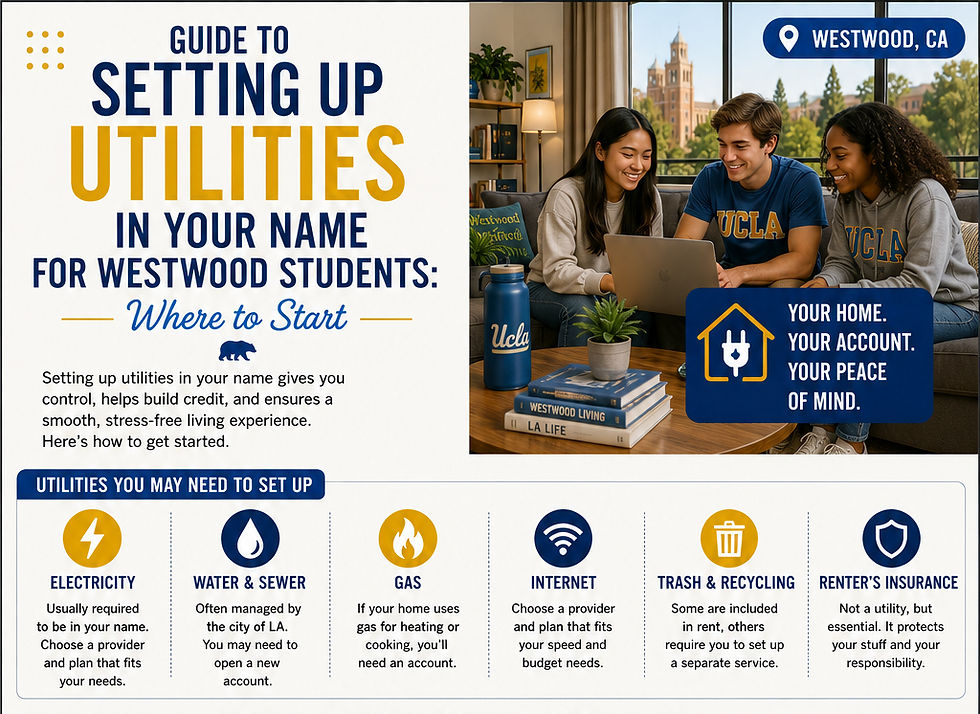
Arrange Utilities: Set up internet, electricity, and water accounts if needed.
Furnish Smartly: Buy essentials first; consider secondhand or student discounts.
Get to Know the Area: Locate grocery stores, public transit stops, and campus shuttle routes.
Connect with Neighbors: Building good relationships can improve your living experience.
Starting organized helps you focus on your studies and enjoy your new home.
Explore housing near UCLA: https://ucla.offcampus-universe.com/off-campus-housing-near-university-of-california
This article is provided by an independent housing resource and is not affiliated with, endorsed by, or sponsored by the University of California.


Comments